Journal
Day-one activation rates still mislead Thai marketplace apps
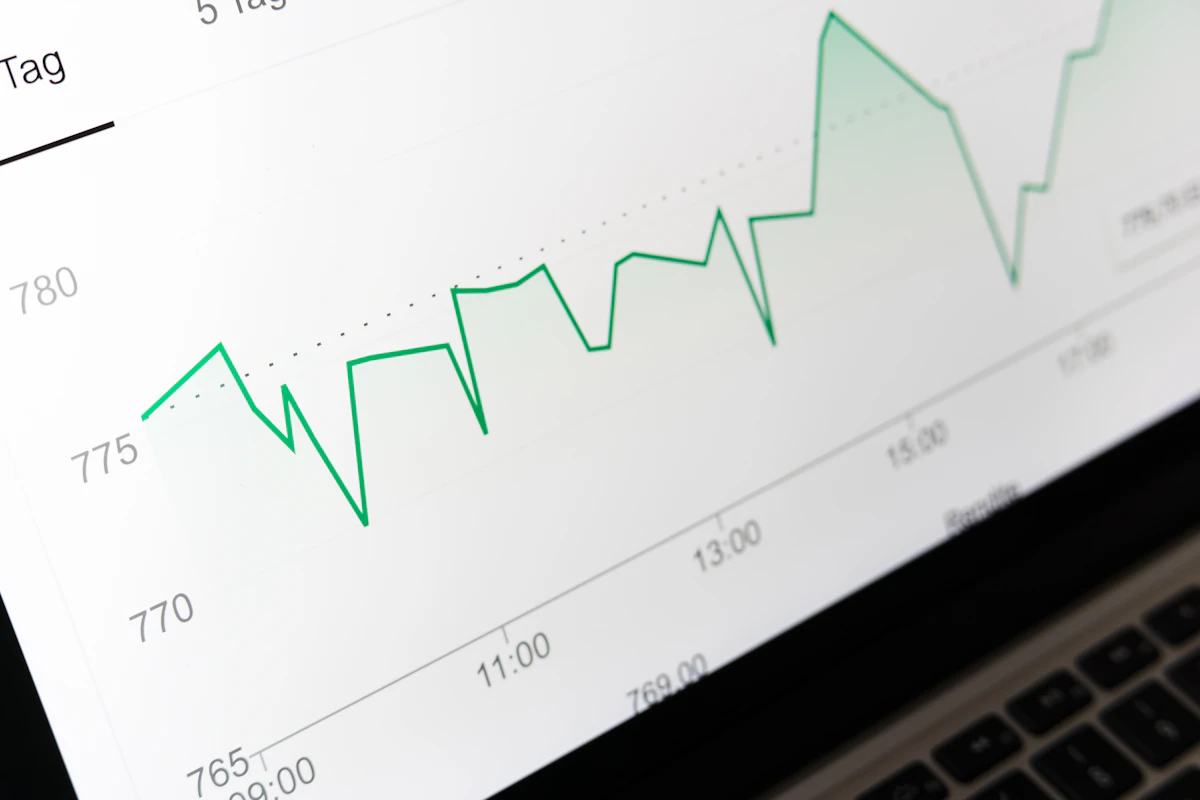
A 24-hour activation rate is a comfortable number. It updates quickly, it fits on a Monday slide, and it looks comparable to whatever screenshot a founder saw from a grocery app in another country. In Bangkok marketplaces it is also frequently the wrong clock.
Ride-hailing and instant grocery can often defend a day-one window: the job to be done is immediate, the supply is already on the map, and a user who has not taken a first trip by the next morning is usually gone. Beauty marketplaces, used-goods classifieds, and insurance super-apps do not work that way. People install after a television spot, browse, talk to a spouse, and come back after payday. Calling them “unactivated” at hour 25 trains the team to chase prompts instead of first value.
What day-one actually measures
In the First-value event selection lab we ask a blunt question: if the user did this action after dinner tomorrow, would you still call the install a failure? If the honest answer is no, a 24-hour window is measuring campaign timing and notification luck, not activation.
Thai paid social often delivers installs in the evening. A 24-hour clock that starts at first open then expires during the next workday. Teams celebrate weekend campaigns and panic on Tuesdays. The KPI is describing media mix, not product.
A better default for two-sided apps
For marketplaces we usually split the tree. Guest activation and host activation almost never share a window. A host who lists on day four with photos and a price may be more activated than a guest who tapped “search” twice on day one. Averaging those into one D1 rate hides both stories.
When we cannot split yet, a 7-day window with a written rationale is a safer studio default than 24 hours. The rationale must name who loses: ops may wait longer for a signal; growth may dislike the slower dashboard. Write that trade-off down. Unwritten windows get shortened the first time a campaign under-delivers.
Counter-metrics matter more when you lengthen the clock
A longer window invites cheating: more push, more forced modals, more “complete your profile” sheets that fire a fake first-value event. Pair the window with a counter-metric — share of first-value events that occur within 30 seconds of a blocking prompt, or refund rate within a day. If the counter-metric jumps when activation jumps, you did not activate anyone.
This is the part of Activation KPI Design that slides never show. The number is only as honest as the counter beside it.
If you want to run this argument on your own app, the Activation KPI Design Studio spends a full week on the cohort window lab. A shorter critique lives in Signal Map.